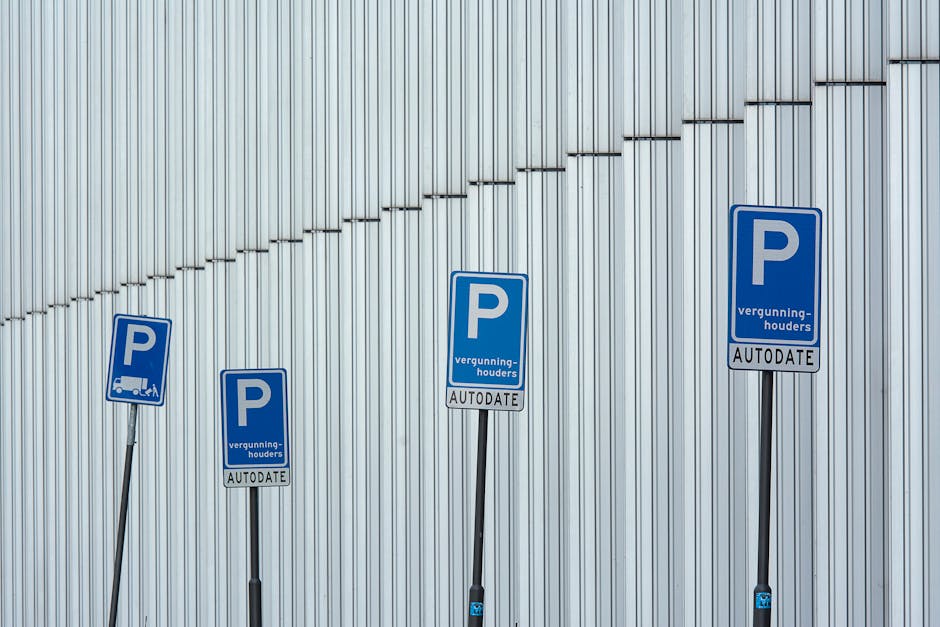
Hounslow council removal permits and parking rules
If you are moving in or around Hounslow, the parking side of the job can be just as stressful as the lifting. A van that can't stop safely, a blocked kerb, or a permit that wasn't arranged properly can turn a smooth move into a long, irritating morning. This guide to Hounslow council removal permits and parking rules explains what usually matters, how the process works in practical terms, and what to check before moving day so you are not dealing with avoidable delays, warnings, or last-minute reshuffling outside the front door.
Whether you are moving from a flat off a busy high street, shifting furniture from a terraced road, or organising a larger house move, the same basic principle applies: plan the parking first, then the boxes. That sounds simple. In real life, it rarely is. So let's walk through it properly.
- Why Hounslow council removal permits and parking rules matter
- How the permit and parking process works
- Key benefits and practical advantages
- Who needs this and when it makes sense
- Step-by-step guidance
- Expert tips for better results
- Common mistakes to avoid
- Tools, resources and recommendations
- Law, compliance, standards and best practice
- Options, methods and comparison
- Case study or real-world example
- Practical checklist
- Conclusion
- Frequently asked questions
Why Hounslow council removal permits and parking rules Matters
Parking is the hidden bottleneck in many removals. You can have the best packing plan in the world, but if the vehicle has nowhere legal to stop, the whole job slows down. In Hounslow, that matters even more on streets with controlled parking, narrow carriageways, busy school runs, permit bays, or short waiting restrictions. A removal van that cannot get close to the property adds time, effort, and a fair bit of unnecessary frustration.
The reason this topic matters is straightforward: local parking rules affect access, timing, safety, and cost. If you need to carry heavy furniture further than expected, the risk of knocks and scrapes goes up. If the driver has to keep moving the vehicle, the team loses rhythm. And if a resident or enforcement officer raises an issue, you may end up spending the day explaining rather than moving.
For many moves, the difference between a calm start and a messy one is a bit of planning. Not glamorous, admittedly. But very effective.
Practical takeaway: treat parking as part of the move plan, not as an afterthought. The vehicle's stopping point often decides how smooth the whole day feels.
If you are comparing moving options, it can help to think about the vehicle size and the access needed. A smaller load may fit a man and van style move, while larger homes or commercial relocations may need a bigger setup such as removals or commercial moves. The parking challenge changes with the size of the job.
How Hounslow council removal permits and parking rules Works
In plain English, the process usually comes down to two questions: can the vehicle legally stop where it needs to stop, and do you need permission for that stop? The answer depends on the exact street, the time of day, and the type of bay or restriction in place. Some areas are straightforward; others are a maze of markings, signs, and timings that look fine until you read them closely from the pavement while carrying a kettle.
Removal vehicles often need access to the property frontage, but that does not automatically mean parking is allowed there. You may be dealing with residents' bays, pay-and-display bays, loading restrictions, single yellow lines, double yellow lines, or a local loading bay arrangement. In some situations, a temporary parking permission or suspension may be required. In others, a short loading stop might be permitted if the activity is genuine, continuous, and within the rule set that applies to that street.
Here is the simplest way to think about it:
- Check the street restrictions around both the old and new address.
- Work out the vehicle size and whether it can safely fit near the property.
- Decide whether a permit or suspension is needed for the stopping point.
- Allow enough time for loading, unloading, and any hold-ups.
- Keep evidence and documentation handy in case the situation needs clarifying on the day.
There is usually a big difference between what seems "fine for ten minutes" and what is actually permitted. That gap catches people out all the time. To be fair, council streets are not always easy to read at speed, especially if it is raining and you are half inside a box marked "kitchen."
For larger jobs, it may be worth thinking about whether a removal van, moving truck, or removal truck hire arrangement best suits the road layout and loading position. Bigger is not always better if the street is tight.
Key Benefits and Practical Advantages
Getting the parking side right gives you more than just peace of mind. It directly improves the move itself.
- Less carrying distance: when the vehicle is parked close to the entrance, the team can move items more safely and efficiently.
- Reduced risk of damage: shorter carry routes mean fewer chances to clip door frames, walls, banisters, or parked cars.
- Better timing: your removal crew can work at a steady pace rather than waiting for a space or moving the vehicle repeatedly.
- Lower stress: fewer parking surprises means fewer awkward conversations with neighbours or enforcement staff.
- Cleaner handover: if you are handing in a rental, receiving keys to a new place, or managing a chain, time matters. Parking delays can ripple through the day.
There is also a quieter benefit: confidence. When you know the access plan is sound, you stop second-guessing every detail. That calmness spreads through the whole move. You notice it most when the first heavy item comes down the stairs and everything outside is already in place.
For homeowners, that may mean a smoother family move. For flats, it often means avoiding the classic problem of a van blocked a little too far from the entrance. For office moves, it can keep staff disruption to a minimum. If your move is more specialised, such as flat removals or office removals, the parking plan is often the difference between a tidy handover and a chaotic one.
Who This Is For and When It Makes Sense
This topic matters to anyone moving within Hounslow or into the borough, but some people feel the parking pressure more than others.
Home movers usually need this if their property sits on a busy residential road, near a school, or in a permit-controlled zone. Home moves often involve a mix of awkward boxes, furniture, and time pressure. The more fragile or bulky the items, the more useful the right parking setup becomes.
Flat movers often deal with tight access, shared entrances, and limited stopping space. If you are on a top floor and the van is parked round the corner, you will feel every extra metre. Really feel it.
Businesses and landlords need to think about disruption, staff access, and loading windows. Office relocation services and commercial moves tend to be more time-sensitive, which makes parking control especially important.
Students often have short timelines and a lot of boxes. They are also more likely to rely on a smaller vehicle and a quick turnaround, which can still be tricky if the road has restrictions. A student removals move can look simple on paper and then get messy at the kerbside.
Anyone moving large or awkward items should pay attention too. Piano, furniture, and same-day moves all benefit from precise access planning. If you are also handling storage or split-delivery arrangements, parking becomes even more important because vehicles may need to come and go more than once. In those cases, storage and piano removals are the kind of services where a bad parking decision can snowball fast.
Step-by-Step Guidance
Here is a practical way to handle Hounslow council removal permits and parking rules without overcomplicating things.
1. Inspect both addresses, not just one
People often check the property they are leaving and forget the destination. That is a classic mistake. Both ends matter. The old address may have a no-wait zone, while the new one could be in a residents' bay with restricted hours. You need to understand the full route, not just the doorstep.
2. Read the road signs carefully
Do not rely on memory or guesswork. Signs can be oddly specific, and bays can change depending on time, permit class, or loading purpose. If the wording is unclear, treat it as unclear. That alone can save you trouble.
3. Decide whether you need a permit or parking suspension
Some moves will need a specific parking arrangement, especially where stopping space is limited or where a bay has to be reserved. If your move is in a busy street or you need the vehicle to remain close for a prolonged period, this is worth checking early.
4. Match the vehicle to the street
This is easy to overlook. A larger vehicle may shorten loading time on one side, but it may also be impossible to place legally on the other. If access is tight, a smaller van may actually be the smarter choice. That is why options such as man with van, man with a van, or even man with van style support can be more practical for some streets than a larger lorry.
5. Allow buffer time
Even with a perfect parking setup, moves rarely run like clockwork. A wardrobe catches on a stair turn. The lift is slow. Someone cannot find a key. Give yourself breathing room, because the street may not.
6. Keep everything visible and organised
On moving day, keep the permit details, booking notes, and vehicle information easy to find. If you are coordinating with a crew, tell everyone where the vehicle is expected to stop and who is handling checks. Small detail, big difference.
7. Re-check before the day starts
Rules can be time-dependent. A bay that is fine in the evening may not be fine during the morning rush. Re-check the exact slot you are moving in. It sounds obvious, but that one extra look can prevent a nasty surprise.
Expert Tips for Better Results
After enough moves, you start to notice the patterns. The best outcomes usually come from simple habits done early.
- Book the vehicle access plan before packing is finished. If the parking issue is unresolved, your packing rhythm can slip too.
- Use measured assumptions, not hopeful ones. "We'll probably fit" is not a strategy.
- Choose the right loading method for the road. A longer carry from a legal space can still be better than an illegal stop right outside the door.
- Protect the walking route inside the property. If the van has to park farther away, you need smoother internal carrying routes to compensate.
- Keep neighbours in mind. A quick heads-up can ease tension, especially on narrow streets where everyone notices a van.
One small but valuable tip: have a backup parking idea. Not a fantasy version. A real one. If the nearest bay is taken, where is the next acceptable stop? Thinking that through in advance can save twenty minutes of wandering and muttering under your breath.
If your move includes added packing support, the parking arrangement becomes even more useful because it lets the team keep the whole operation flowing. Services such as packing and boxes and packing and unpacking services can reduce the time spent near the kerb, which helps when the road space is limited.
Common Mistakes to Avoid
The same errors come up again and again. None of them are dramatic on their own, but they stack up quickly.
- Leaving parking until the last minute. This is the big one. By then, options are narrower and stress is higher.
- Assuming loading is always allowed. Loading and parking are not the same thing. The distinction matters.
- Forgetting the destination road. You may get the van out of the old address easily, then hit restrictions at the new one.
- Choosing a vehicle that is too large for the street. It might look efficient on paper, but not on a narrow road.
- Ignoring time-specific restrictions. A street can be one thing at 8:00 and another at 10:00.
- Not planning for lift access, stairs, or shared entrances. Parking and building access work together. If one is weak, the other has to carry the load.
Truth be told, people often picture removals as a van, some boxes, and a few strong backs. Parking rules remind you that the pavement, the bay, and the signage are all part of the job. Slightly annoying? Yes. But manageable if you stay ahead of it.
Tools, Resources and Recommendations
You do not need a complicated toolkit, but a few practical resources help a lot.
- Street-level observation: walk the road at the same time of day as the move if you can. The lived reality of traffic and parking is often clearer than any assumptions.
- Property access notes: jot down where lifts, stairs, gates, and entrances are located.
- Vehicle planning: make sure the vehicle type matches the amount and size of items. Bigger is not automatically better.
- Move-day contact list: keep names and numbers handy in case you need to coordinate a quick adjustment.
- Service choice: if you need flexibility, a smaller or more adaptable setup may suit the street better than a fixed large-vehicle plan.
If you are still weighing the right moving support, you might look at removal services for general help, or house removals if the move is a standard domestic one. For very short-notice or time-sensitive situations, same-day removals may be the more realistic option, but only if parking and access are nailed down early. That bit really matters.
Law, Compliance, Standards, or Best Practice
Parking and removal access sit within local highway rules, and those rules can be strict even when they feel inconvenient. The safest approach is to treat the signs and local restrictions as the baseline and plan around them. Do not assume that because a vehicle is only there briefly, the restriction stops mattering. In many cases, it does not.
Best practice is simple: use only lawful stopping arrangements, follow the street signs exactly, and do not rely on informal interpretations from neighbours or passers-by. If a parking permission is required, arrange it properly rather than hoping nobody notices. That is not just about avoiding inconvenience; it is also about respecting residents, traffic flow, and the safety of anyone carrying heavy items.
For commercial movers, compliance matters even more because there may be higher expectations around timing, signage, and keeping access clear. If your job involves staff, customers, or deliveries, a parking mistake can affect more than one household. It can spill into the whole day.
As a general rule, the most dependable approach is to keep all access arrangements documented, stay within the rules that apply to the street, and choose a vehicle and loading method that fits the location rather than trying to force the location to fit the vehicle.
Options, Methods, or Comparison Table
There is no single perfect setup for every move. The right option depends on the size of the property, the road layout, and how much time you have.
| Option | Best for | Pros | Things to watch |
|---|---|---|---|
| Small van / man and van setup | Light to medium moves, tight streets, quick access | More flexible, easier to park, often simpler on narrow roads | May require more trips if the load is large |
| Standard removal van | Typical home or flat moves | Good balance of capacity and manoeuvrability | Still needs a sensible stopping point and clear route |
| Large moving truck | Big house moves or larger commercial jobs | High capacity, fewer overall trips | Can be difficult to park in busy or restricted streets |
| Full removal service with planning support | Complex moves, bulky furniture, higher time pressure | More organised, better coordination, less stress | Requires clearer advance planning |
If you are moving from a property with lots of bulky furniture, a stronger setup may be worth it, especially if you also need furniture removals or furniture pick up. For office moves, a more structured service such as office removals is often the more sensible route. The point is not to pick the biggest option. It is to pick the best-fitting one.
Case Study or Real-World Example
Picture a typical Saturday move in Hounslow. A couple are leaving a second-floor flat on a residential road with permit bays and a school nearby. They have two wardrobes, a sofa, several boxes, and a bike. At first, they assume the van can simply stop outside for a while. It looks possible from a distance. Once they arrive, though, the nearest space is already occupied, and the next safe stop is farther along the road.
Because they checked the access plan early, they had already allowed for a smaller vehicle and extra carrying time. That meant no one was standing around in panic while the kettle was wrapped in a towel and someone asked whether the parking signs were "for that side or this side." The crew parked legally, worked steadily, and completed the move without having to keep shuffling the vehicle.
Now imagine the same move without that planning. The van arrives too large for the bay, the road is busier than expected, and the couple are left carrying heavy items further than they should. Nothing catastrophic, just tiring and inefficient. That is usually how parking problems show up: not as one big disaster, but as a string of small annoyances that wear everyone down.
The lesson is simple. A little parking planning often saves a lot of energy.
Practical Checklist
Use this checklist before moving day. It is basic, but it works.
- Check the parking restrictions at both addresses.
- Confirm whether the stop needs a permit, suspension, or another arrangement.
- Match the vehicle size to the road and the volume of belongings.
- Allow extra time for loading and unloading.
- Decide where the vehicle will stop if the first choice is unavailable.
- Keep move-day notes, booking details, and contact numbers together.
- Check access routes inside the property, including stairs and lifts.
- Plan for bulky items separately, especially furniture or specialist pieces.
- Tell the moving team about tight entrances, low ceilings, or awkward corners.
- Re-check the parking situation on the day before setting off.
If you tick those off, you are already ahead of most people. Not everyone does, obviously. But the ones who do tend to have calmer moves and fewer "how did that happen?" moments.
Conclusion
Hounslow council removal permits and parking rules may not be the most exciting part of moving, but they are one of the parts that matter most. A good parking plan protects your time, reduces stress, and helps the removal team work safely and efficiently. It also makes the whole day feel more under control, which is worth a lot when the boxes start stacking up and the hallway begins to echo.
The best approach is straightforward: check the restrictions, choose the right vehicle, allow a buffer, and do not leave parking until the last minute. If you do that, the move becomes much easier to manage. Simple, maybe. But effective. And on moving day, effective is exactly what you want.
Get a free quote today and see how much you can save.
If you want help planning a move with the right vehicle, access strategy, and timing, start with the service that best fits your situation, then build the parking plan around it. It makes the whole process feel a lot less chaotic, and a lot more human.
Frequently Asked Questions
Do I need a permit for a removal van in Hounslow?
It depends on the exact street, bay type, and time of day. Some locations may allow loading, while others need a formal parking arrangement. Always check the local restrictions at both addresses rather than assuming the van can stop freely.
Can a removal vehicle stop on double yellow lines while I move?
Not automatically. People often assume loading makes everything fine, but that is not a safe assumption. Whether stopping is allowed depends on the specific restriction, the situation, and the local rules that apply. If in doubt, treat it as restricted.
How far in advance should I sort parking for a house move?
As early as possible. Parking is easiest to manage when you deal with it while the move is still being planned, not the night before. Leaving it late narrows your options and tends to create stress for no good reason.
What happens if the van cannot park near the property?
The move can still go ahead, but carrying distances increase and the job usually takes longer. That means more effort, more time, and more risk of minor knocks and delays. A backup plan helps a lot here.
Are parking rules different for flats and houses?
Often, yes. Flats may involve shared entrances, limited bays, or controlled access points, while houses may face residents' permits or general street restrictions. Flats can be especially tricky if the road is busy or the entrance is recessed.
Is a smaller vehicle better for narrow Hounslow streets?
Often it is. Smaller vehicles are usually easier to place legally and can be more practical where space is tight. That said, the right choice depends on the load, the distance from the property, and how many trips you are happy to make.
Do office moves need the same parking planning as home moves?
Yes, and sometimes more. Office moves often have tighter timing, more people affected, and less room for delays. If you are organising a workplace move, the parking and access plan should be pinned down early.
What should I do if road signs seem confusing?
Do not guess. Read the signs carefully, note the time windows, and if needed plan the move around the clearest lawful stopping option. Confusing signage is exactly where mistakes creep in, so slow down and check it properly.
Can I use the same parking plan for both pickup and delivery addresses?
Usually no, because each street can have different rules. One address might be simple, while the other is fully controlled. Treat each end separately. That keeps surprises to a minimum.
What is the best option for a quick move with limited parking?
A more flexible setup such as a smaller van or a man-and-van style service can suit tight streets well. If you also need flexibility with timing, same-day removals may help, but only if access and parking are realistic.
How do I make moving day less stressful around parking?
Plan early, double-check restrictions, choose the right vehicle, and keep a backup stopping option in mind. That small bit of preparation tends to calm everything down. A little boring, perhaps. Very effective, definitely.
Where can I find more help with the move itself?
If you need support beyond parking, it helps to look at the broader moving options available, including removal services, house removals, or packing and unpacking services. Choosing the right mix makes the parking plan easier to manage too.