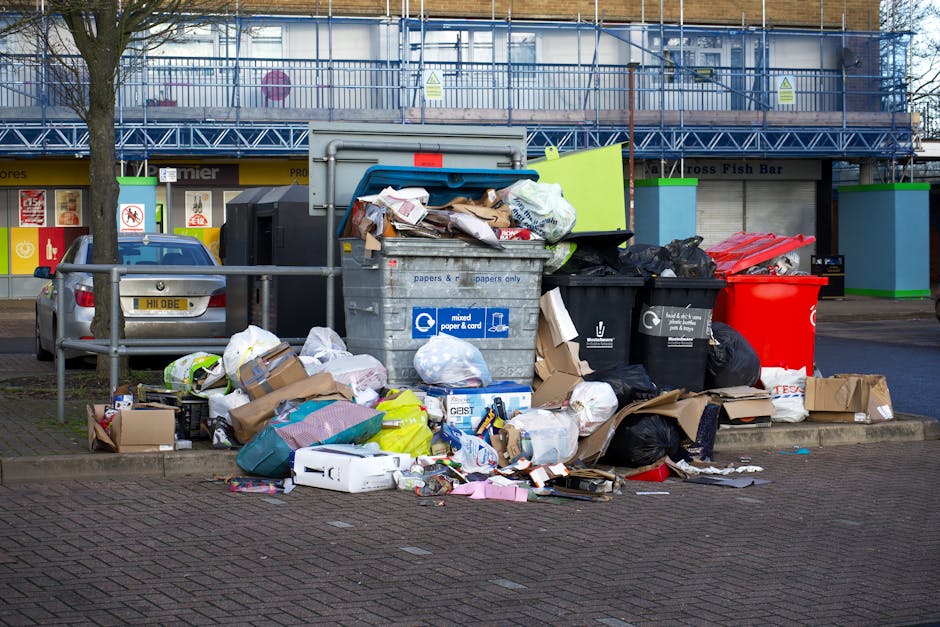
Hounslow council waste rules for removals and disposal: what to know before moving day
If you are planning a move in Hounslow, the waste side of it can catch you out faster than the packing side. Boxes, broken furniture, old appliances, paint tins, mattresses, bags of mixed junk, the random drawer of cables you forgot about - it all needs handling properly. Hounslow council waste rules for removals and disposal matter because the wrong approach can lead to missed collections, fly-tipping risks, extra charges, or a very frustrating morning outside a property with nowhere to put the pile.
This guide breaks down the practical rules in plain English. You will learn what usually counts as household waste, what tends to need special handling, how removals teams should plan around council expectations, and how to avoid the common mistakes people make when they are under pressure. To be fair, moving is busy enough already.
For readers who want extra support with a move that needs proper planning, services like removals, furniture removals, or home moves can help keep everything organised while you sort what should be reused, donated, recycled, or disposed of.
Table of Contents
- Why Hounslow council waste rules for removals and disposal matters
- How Hounslow council waste rules for removals and disposal works
- Key benefits and practical advantages
- Who this is for and when it makes sense
- Step-by-step guidance
- Expert tips for better results
- Common mistakes to avoid
- Tools, resources and recommendations
- Law, compliance, standards, or best practice
- Options, methods, or comparison table
- Case study or real-world example
- Practical checklist
- Conclusion
- Frequently asked questions
Why Hounslow council waste rules for removals and disposal Matters
Waste rules shape almost every part of a move, even when people do not notice them at first. In a typical house clearance or flat move, there is usually a mix of items: keep, donate, recycle, and throw away. The council side matters because once waste leaves your property, it must be handled in a lawful, tidy, and responsible way. That sounds obvious, but in the real world it is where many removals go sideways.
Imagine a Saturday morning in a narrow Hounslow street. A sofa is too worn to keep, cardboard is stacked near the kerb, and there is a fridge that no one wants to deal with. If you place items out incorrectly, leave them too early, or mix general rubbish with bulky waste in a way the council does not accept, the collection may be delayed. Worse, if items are dumped without proper arrangement, you can end up with an avoidable mess and a complaint from neighbours. Nobody wants that.
These rules also matter because disposal decisions affect cost. Reuse is usually simpler than disposal. Recycling is often cleaner and cheaper than treating everything as general waste. And if something requires special handling, like electrical equipment or a fridge containing refrigerant, you need the right process from the start. That is where careful planning saves time later.
There is also a trust factor. A professional mover who understands local waste expectations will usually work more smoothly, especially for larger jobs. If you are comparing help for a move, pages such as man and van and man with van can be useful when you need flexible transport for sorted items, while a larger load may suit moving truck options.
Expert summary: The safest approach is to separate what stays, what gets donated, what can be recycled, and what truly needs disposal before the van arrives. That one habit prevents most waste problems.
How Hounslow council waste rules for removals and disposal works
The basic idea is straightforward: household waste and bulky waste should be separated, presented correctly, and taken away by an approved route. In practice, that means matching the type of item to the right disposal method. Some items go with normal waste collection. Some are better suited to bulky item collection. Some are recyclable. Some need a specialist waste route. Simple enough on paper. Less simple when the move is happening at pace.
Typical categories you may need to sort
- Reusable items: furniture, kitchenware, books, clothing, unopened household goods.
- Recyclable materials: cardboard, paper, some plastics, glass, metals, and certain electrical components depending on local arrangements.
- General residual waste: broken non-recyclable household rubbish that cannot be reused.
- Bulky waste: sofas, wardrobes, beds, chairs, tables, mattresses, and similar larger items.
- Special or hazardous waste: paint, chemicals, gas bottles, batteries, sharps, and certain electricals or appliances.
When you are moving out, the temptation is to throw everything into one pile and deal with it later. Later is usually the expensive bit. A more practical method is to walk through each room and decide item by item. Yes, even the loft. Especially the loft, actually.
For bigger homes or business moves, sorting waste can be combined with a planned removal workflow. For example, house removals can be scheduled after the unwanted items have been set aside, while commercial moves and office removals often need careful separation of office furniture, electronics, archives, and packaging waste.
How removals teams should approach disposal
- Identify what the client wants to keep, recycle, donate, or discard.
- Separate waste streams before loading begins.
- Check whether any items need special handling.
- Use the right vehicle size and lifting method for bulky or heavy goods.
- Make sure waste is taken to a lawful disposal or recycling route.
- Leave the property tidy and avoid mixed waste spills or loose debris.
That last point sounds small, but it matters a lot. A clean handover is often what people remember most after a move.
Key Benefits and Practical Advantages
Following the right waste process does more than keep you on the right side of local expectations. It makes the whole move calmer. And calm, during removals, is worth a lot.
- Less stress on moving day: you are not making last-minute decisions with a van waiting outside.
- Lower chance of failed collections: sorted waste is easier to collect, load, and dispose of properly.
- Better use of space: a van or truck can be loaded more efficiently when items are grouped sensibly.
- More reuse and recycling: fewer useful items end up in the wrong pile.
- Cleaner properties: landlords, buyers, and business occupiers appreciate a tidy empty space.
- Reduced risk: fewer sharp edges, leaking containers, and awkward lifts.
There is also a practical money angle. Disposal gets more expensive when you do not plan it. A half-filled vehicle with mixed waste is a poor use of time. A properly sorted load, on the other hand, moves faster and often needs fewer trips. That is why careful packing and disposal planning go hand in hand with services like packing and boxes and packing and unpacking services.
For customers with furniture they no longer want, it can also be worth looking at furniture pick up if the item is still usable, or furniture removals if the main job is to shift large pieces safely. Truth be told, the best disposal job is often the one that rehomes an item rather than sending it away.
Who This Is For and When It Makes Sense
This topic is relevant to far more people than just those doing a full house clearance. If you are moving in or out of Hounslow, you may need to deal with waste rules in one of these situations:
- You are leaving a rental flat and must clear everything before handing back the keys.
- You are downsizing and need to dispose of bulky furniture.
- You have office equipment, boxes, or archive materials to sort during a business move.
- You are helping a relative clear a property and want the process done properly.
- You are replacing old furniture and need the old pieces removed at the same time.
- You are a student moving out of shared accommodation with more stuff than you expected. Happens every year, somehow.
For smaller jobs, a flexible vehicle and a few careful hands may be enough. In that case, removal van, man with a van, or same day removals can make sense if the waste is already separated and ready to go. For bigger family homes, house removalists or house removals may be more suitable because they can deal with volume and access issues more efficiently.
If you are moving from a flat, space, stairs, and parking can make disposal trickier than people expect. In that case, flat removals are often easier when the waste plan is agreed in advance rather than left to the final hour.
Step-by-Step Guidance
Here is the simplest way to approach removals and disposal without getting tangled in last-minute problems.
1. Start with a room-by-room sort
Use three piles: keep, donate/reuse, and dispose. Be strict. If you have not used an item in years and would not pay to move it, that is usually a hint.
2. Separate bulky waste from general rubbish
Big items need their own logic. Sofas, wardrobes, mattresses, and heavy tables are often the items that create the most friction. Keep them apart so they do not block the rest of the move.
3. Check for anything special
Look out for batteries, paint, cleaning chemicals, lamps, and electrical items. These can be easy to overlook. A single box in the corner with old household chemicals can turn an easy job into a complicated one.
4. Decide what can be reused
Good-condition furniture, boxed household items, and usable appliances are often better handled as reuse rather than waste. That can reduce disposal volume and make the move feel less wasteful.
5. Pack disposal items separately
Do not mix cardboard with broken household junk, and do not bury small waste inside a load of furniture. Clear separation makes loading cleaner and easier.
6. Confirm access and timing
Think about where the vehicle can park, how far items must be carried, and whether there are stairs, lifts, or narrow hallways. A quiet 8 a.m. street in Hounslow is very different from a busy weekday afternoon. Timing matters more than people think.
7. Use the right moving service
If your move is mostly transport with some waste handling, a removal services package may be enough. If you need temporary holding space while you decide what to keep, storage can help prevent rushed disposal.
Expert Tips for Better Results
The best advice here is not flashy. It is about reducing friction.
- Label boxes by waste type, not just by room. "Kitchen" is fine, but "kitchen - recycle" or "kitchen - dispose" is better when the loading starts.
- Keep hazardous items aside from the start. One leaking container can contaminate an entire bag or box.
- Take photos of bulky items before the move. This helps if you need to check access, quote for removal, or decide whether something is reusable.
- Do the hardest sorting before the van arrives. The clock moves faster than you think once the team is there.
- Protect hallways and shared areas. In flats and converted buildings, a bit of cardboard or floor protection can save hassle with neighbours and building managers.
- Plan for the weather. Rain, even the light London drizzle we all pretend not to notice, can make cardboard collapse and make outdoor sorting messy.
One small but useful habit: keep a separate "decision box" for items you are unsure about. That stops one uncertain item from clogging the entire process. It sounds tiny. It helps a lot.
Common Mistakes to Avoid
These are the errors that most often cause trouble during removals and disposal:
- Leaving everything until the moving day itself. That is when mistakes multiply.
- Assuming every item can be put out together. Mixed waste is not the same as sorted waste.
- Forgetting about electricals and batteries. These are often the items people overlook.
- Disposing of items too early or in the wrong place. That can create problems with neighbours or collections.
- Loading the vehicle before you know what is going. A bad sequence creates rework.
- Not checking access. A sofa that fits on paper may not fit around a tight stair bend. Annoying, but common.
Another mistake is treating disposal as an afterthought. It is not. It should sit beside packing and transport in the move plan. If you are already using packing and unpacking services, ask for help separating items early. A little structure up front saves a lot of sighing later.
Tools, Resources and Recommendations
You do not need a complicated toolkit, just a sensible one.
| Tool / resource | What it helps with | Why it matters |
|---|---|---|
| Marker pens and labels | Sorting boxes and waste categories | Makes load separation much easier |
| Heavy-duty sacks | General waste and loose items | Reduces spills and torn bags |
| Sturdy gloves | Handling sharp or dirty items | Protects hands during sorting |
| Furniture blankets | Moving reusable large items | Helps avoid damage in transit |
| Tape and zip ties | Securing loose packaging | Keeps vehicles tidy and safer |
| Storage option | Temporary holding of undecided items | Prevents rushed disposal choices |
For moves involving delicate or heavy items, it can also help to compare vehicle and team options. A straightforward removal truck hire may suit a larger clear-out, while a smaller removal van is often enough for a partial disposal or one-room clearance. If you are relocating valuable items, especially pianos, a specialist piano removals service is far safer than improvising.
If your move is part of a business transition, office relocation services are worth considering because office waste often includes mixed recyclable packaging, IT gear, filing, and furniture that needs separate handling.
Law, Compliance, Standards, or Best Practice
Without getting overly legal about it, the key principle is simple: waste should be managed responsibly, and you should avoid causing nuisance, environmental harm, or unlawful dumping. In the UK, households and businesses are expected to arrange waste through proper channels, and anyone handling waste professionally should work in a lawful and traceable way. That is normal industry best practice, not a fancy add-on.
For movers and customers alike, the safest standards are:
- do not abandon waste on public land or outside the property without a valid collection arrangement;
- keep recyclable, reusable, and residual waste separate where practical;
- treat hazardous items carefully and do not mix them with ordinary rubbish;
- avoid overfilling vehicles in ways that could cause items to fall during transport;
- use a provider that takes safety and handling seriously.
Reputable moving teams should also think about insurance, safe lifting, and responsible disposal as part of the same job. That is one reason pages like insurance and safety and health and safety policy are useful trust signals when you are choosing who to work with. For broader environmental awareness, recycling and sustainability is also relevant because a good disposal plan should reduce waste wherever possible.
If something is unclear, ask before the move day. That is not being difficult; that is being sensible. Honestly, a five-minute question can save a five-hour headache.
Options, Methods, or Comparison Table
There is no one-size-fits-all approach to removals and disposal. The right method depends on how much you have, what it is made of, and how quickly it needs to go.
| Method | Best for | Pros | Limitations |
|---|---|---|---|
| Reuse / donation | Usable furniture and household items | Low waste, often simpler, sometimes free | Not suitable for damaged or unsafe items |
| Recycling | Cardboard, metal, certain electricals | Environmentally sensible, keeps waste stream clean | Items must be sorted properly |
| Bulky waste collection | Large household items | Convenient for sofas, beds, wardrobes | May require booking and strict presentation rules |
| Van or truck removal | Mixed removal and disposal jobs | Flexible, efficient for moves with loading support | Needs careful pre-sorting to avoid delays |
| Storage first, decide later | Moves with uncertain items | Reduces rushed decisions | Extra cost and one more step to manage |
If you are choosing between them, ask one simple question: does the item still have a useful life? If yes, reuse or storage may be better. If not, then disposal needs to be organised properly.
Case Study or Real-World Example
Here is a realistic example from the kind of job many people in Hounslow face.
A family moving out of a three-bedroom terrace had a loft full of old toys, a broken wardrobe, several flattened boxes, two mattresses, and a chest freezer that no one wanted to move to the new home. At first, everything was just being stacked in the hallway. Not ideal. The hallway looked like a small storm had passed through. The team paused, separated reusable items, marked the recycling, and pulled the special items aside. The wardrobe was too damaged to keep, but the toys and a few household pieces were still in good condition. Those went into a separate set of boxes for donation.
Once the load was split properly, the actual move became much smoother. The removal vehicle was packed in a cleaner order, the mattresses were handled without blocking the rest of the furniture, and the property was left ready for final checks. The family later said the best part was not the speed - it was the feeling of control. That is what good waste planning does. It gives you a bit of breathing room when the day feels full.
For situations like that, combining furniture pick up with a broader move plan can reduce waste and simplify the handover. If the move includes a tight deadline, same day removals may also be helpful, but only if sorting is done early.
Practical Checklist
Use this before your removal team arrives.
- Walk through every room and decide what stays, what goes, and what may be donated.
- Separate bulky furniture from general waste.
- Keep batteries, chemicals, paint, and other special items aside.
- Flatten cardboard and bundle recyclables neatly.
- Label boxes or bags by category.
- Check parking and access for the vehicle.
- Protect floors and shared areas where needed.
- Confirm whether you need storage for undecided items.
- Ask how reusable furniture or appliances will be handled.
- Make sure nothing is left behind in cupboards, lofts, sheds, or under beds. That last one gets people all the time.
If you are moving with children, students, or a business team, do a final "small items sweep" too. Chargers, adapters, lamp bulbs, cables, remotes, and half-used cleaning products are the classic leftovers.
Conclusion
Hounslow council waste rules for removals and disposal are really about one thing: making sure the end of a move is orderly, lawful, and not more expensive than it needs to be. Once you separate items properly, plan the load, and choose the right disposal route, the whole process becomes easier to manage. Less stress. Less waste. Fewer surprises. That is the goal, after all.
Whether you are clearing a flat, moving a family home, or coordinating an office relocation, the smartest approach is to treat waste as part of the move plan from day one. If you need help with the physical side of sorting, lifting, transport, or temporary holding, the right moving support can make a real difference.
Get a free quote today and see how much you can save.
And if you are still mid-pack, take a breath. One room at a time is enough. It always is.
Frequently Asked Questions
What are Hounslow council waste rules for removals and disposal?
They are the local expectations around how household waste, bulky items, recyclables, and special waste should be sorted, presented, and removed during a move. The key idea is to avoid dumping mixed rubbish and to use the right disposal route for each item.
Can I leave bulky items outside my property on moving day?
Only if they are arranged through the correct collection route and set out in the way required for that collection. Leaving bulky items out randomly can create problems with access, neighbours, or missed collection.
What should I do with old furniture during a move?
If it is still usable, consider reuse, donation, or furniture pick up. If it is damaged or unsafe, it should be removed through a proper disposal route rather than mixed with ordinary rubbish.
Do electrical items count as normal waste?
Usually not. Electricals and batteries often need separate handling, so they should be kept apart from general rubbish during the move.
How do I avoid missing a council collection before I move out?
Sort waste early, check timing carefully, and do not leave the whole job for the final day. If there is a collection window, make sure items are presented correctly and not blocked by furniture or parked vehicles.
Is it better to use storage or dispose of undecided items?
If you genuinely are not sure whether something should go, storage can be a good short-term option. It stops you making rushed decisions and gives you time to assess value, condition, or future use.
What is the best way to handle waste in a flat move?
Start sorting earlier than you think, because stairs, lifts, and parking can slow everything down. Flat removals go much more smoothly when waste and keep-items are separated before the team arrives.
Can a removals company take away waste as part of the move?
Yes, many removal teams can help with disposal or transport, provided the items are lawful to move and properly sorted. It is always better to confirm this in advance rather than assume every item will be accepted.
What happens if I mix recyclables with general rubbish?
It usually makes disposal less efficient and can create more work later. In some cases, it may also prevent certain items from being recycled properly. A little sorting saves a lot of hassle.
How early should I start sorting waste before moving day?
Ideally a few days ahead for a small move, and earlier for larger homes or business moves. The bigger the property, the more likely you are to find forgotten items in cupboards, lofts, garages, and under furniture.
What if I need help moving bulky waste and furniture together?
Then a combined removal and disposal plan usually works best. Services such as furniture removals or removal truck hire can help with larger loads when the items have already been sorted into what stays and what goes.
Are office waste rules different from home removals?
The principles are similar, but office jobs often involve more electronics, packaging, archived paper, and mixed furniture. That means more sorting and a bit more care around disposal planning, especially for commercial moves.